
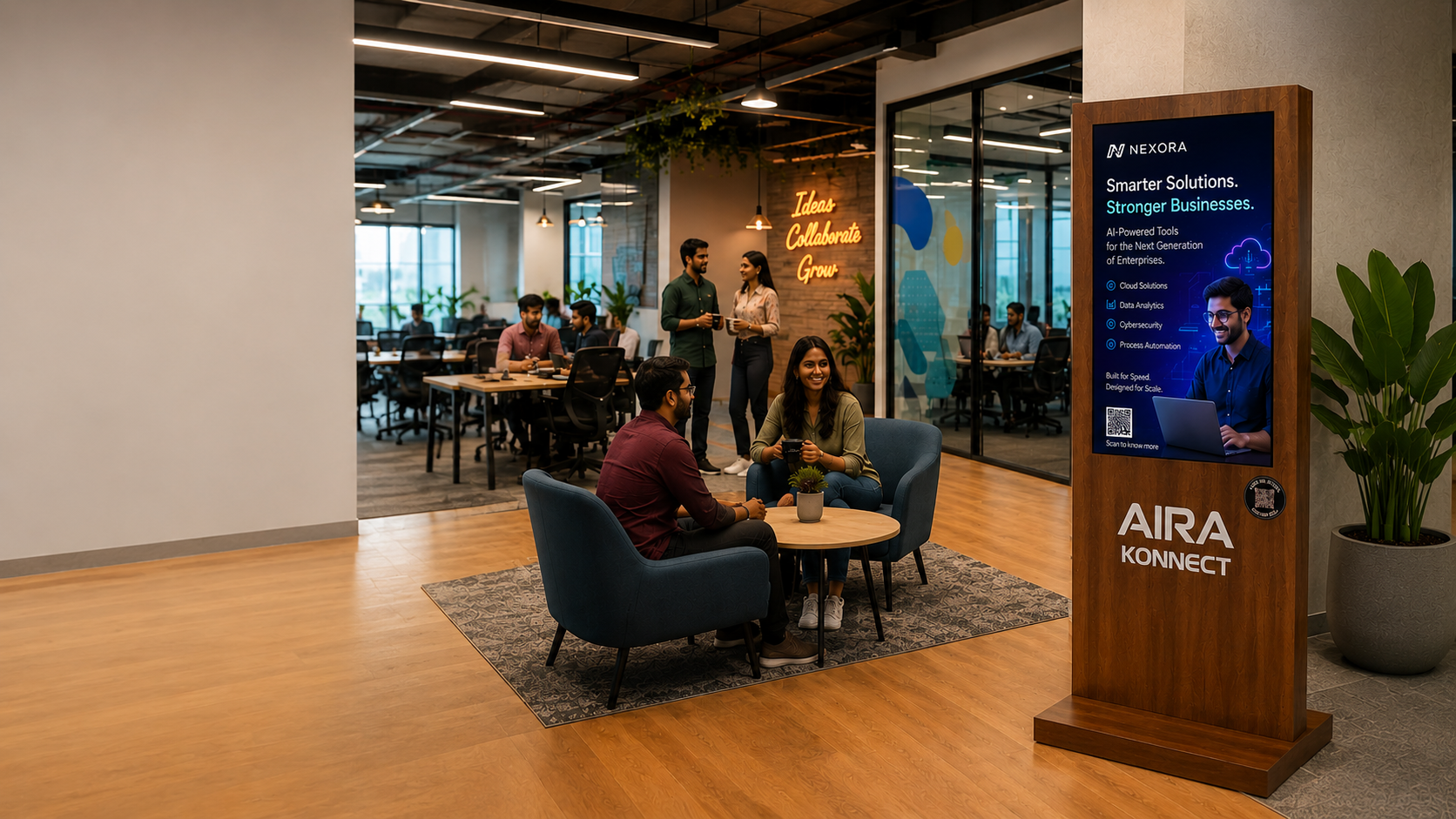
There is no single useful “DOOH advertising cost” for India. A roadside digital billboard, an airport screen and a display inside a residential lobby are different media buys. Their prices depend on location, audience opportunity, screen position, campaign length and the share of screen time you book.
The practical way to compare quotes is to ask what each one includes. A headline rate without the venue list, playback schedule and reporting method tells you very little about the value of the campaign.
The factors that move the price
- Location and venue: A premium route or venue may cost more, but it must still match your customer geography.
- Screen position: A screen seen during a natural pause has a different role from one beside a fast-moving path. Ask for a current photo or site visit.
- Campaign period: Compare the same number of days and operating hours. A month on paper may not mean identical delivery across venues.
- Ad loop and share of time: Ask how many ads run in the loop, how often yours is scheduled and whether the quoted rate covers all listed screens.
- Creative work: Check whether design, resizing, revisions and swaps are included.
- Reporting: Ask for proof of play, outages, replacements and a clear explanation of any audience estimates.
Ask for a comparable quote
Before approving a booking, request a one-page schedule with the venue name, locality, screen count and position, campaign dates, operating hours, creative duration, loop structure, net price, taxes, production charges and reporting deliverables. Ask which items can change after booking and how a missed play or offline screen is handled.
For a local brand, begin with the customer's catchment. A group of relevant locations can be more valuable than buying many screens across a city where few viewers can become customers. Aira Konnect's pricing overview is a starting point; request a current, venue-specific quote before committing a budget.
Ad plays are not the same as people reached
An ad play means the creative was scheduled and recorded as playing. Venue footfall is traffic at a location. An opportunity to see estimates people in the screen's visual area while the ad is visible. None of these automatically proves attention, recall or a sale. A defensible audience estimate needs a disclosed method that considers the screen's exposure area, the time people are there and the ad's share of the loop.
When someone quotes cost per impression, ask which of those counts is the denominator. Convert all quotes to the same unit before comparing them. For example, ₹0.50 per impression equals ₹500 per thousand impressions (CPM). It would be incorrect to call that cheaper than a ₹40 CPM figure simply because 0.50 looks smaller than 40.
Assess value against the campaign goal
For brand awareness, examine location fit, consistent delivery and changes in branded search or recognition where you can measure them. For lead generation, use a clear response path and judge qualified enquiries, not QR scans alone. A good first campaign is one small enough to learn from and documented well enough to decide whether to expand.
Read how to measure a local screen campaign before finalising the quote. Agree on the reporting definitions in writing, then compare results against the goal you set before launch.